



Help us defeat the mainstream media and promote capitalism and American exceptionalism.
Support The Capitalist, become a paid subscriber today:
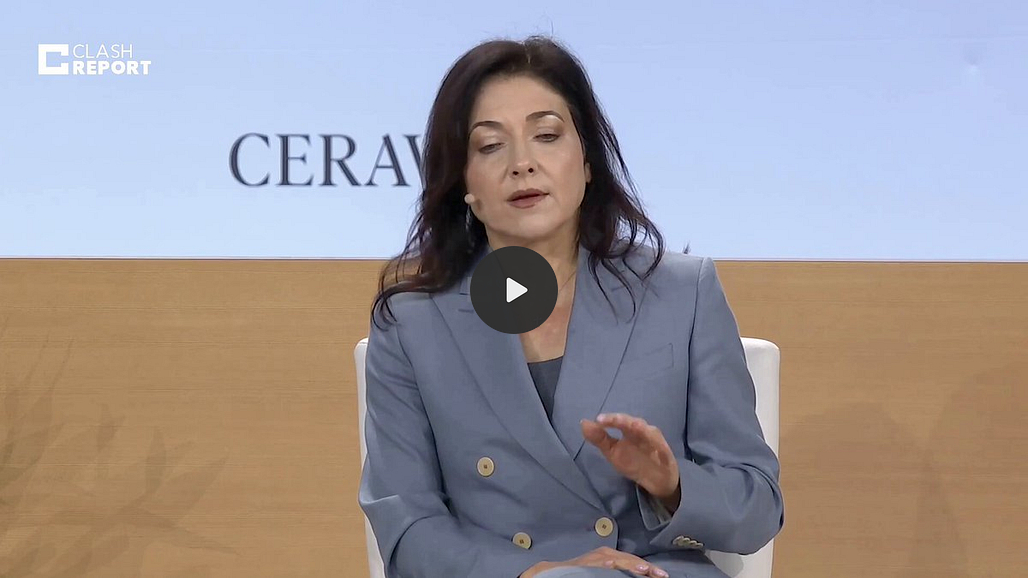
María Corina Machado, the 35-year-old Venezuelan opposition leader speaks with conviction when she says Venezuela could one day quintuple its oil production under a democratic government. The promise sounds clean, almost seductive. Five times the current output. Millions more barrels flowing from the world’s largest proven reserves. It’s the kind of headline that makes people sit up and take notice…..but we’ve heard promises like this before.
Let’s be clear from the outset. This is highly speculative.
A fully functioning pro-democracy government has not yet been elected in Venezuela.
There is no real timeline for WHEN a fully functioning pro-democracy government will be elected in Venezuela.
The oil production plan itself has not been enacted.
And even if all these hurdles were cleared tomorrow, history shows these grand transitions rarely deliver the glittering results promised on day one.
They take longer,
Cost more,
And usually fall short of the hype.
Venezuela’s oil sector has been hollowed out by years of mismanagement, corruption, and sanctions. Rebuilding it will not be a simple switch-flip.
However.
The geopolitical significance of what is being floated should not be dismissed. Venezuela sits on the largest proven oil reserves in the world — more than Saudi Arabia. Current production is roughly 1 million barrels per day. If it eventually reached 5 million barrels per day, that would represent nearly a quarter of America’s daily consumption (around 21 million barrels) — and crucially, it would all be sitting right here in the Western Hemisphere, on America’s doorstep.
Help us defeat the mainstream media and promote capitalism and American exceptionalism.
Support The Capitalist, become a paid subscriber today:
Even if that oil were sold on the open market, that geographical shift in the balance of power matters. Millions of barrels of production and accessible reserves would be concentrated in this hemisphere — far removed from the Strait of Hormuz and the chronic instability of the Gulf. While China remains heavily dependent on Middle Eastern supplies that can be disrupted by conflict or blockade, the United States would be steadily increasing both domestic output and access to nearby sources.
Look at the current production picture in the Americas:
United States: ~22.8 million barrels per day, massive reserves.
Canada: ~5.9 million barrels, with enormous untapped oil sands reserves.
Brazil: ~4.2 million barrels and growing.
Mexico: ~2 million barrels.
Venezuela: currently ~1 million barrels, with huge potential for far more.
If Venezuela were able to stabilize and ramp up meaningfully, the Western Hemisphere would become one of the most significant oil-producing regions on Earth — increasingly self-reliant and insulated from the endless turmoil of the Persian Gulf. Machado’s plan would put Venezuela on the same footing as Canada who under its current leadership is decidedly less pro oil.
That is not a small thing. The entire global economy is suddenly paying the price for depending on foreign oil and in the case of some nations (looking at you Germany) falling for the fantastical promises that wind and solar could replace oil, gas and nuclear power.

It is fully acceptable to remain skeptical about Machado’s timeline and the rosy projections. Democratic transitions are messy. Oil infrastructure that has been neglected for decades does not magically revive. Contracts, investment, rule of law, and basic security all have to be rebuilt. Many countries have tried and fallen short.
But the strategic direction is worth noting. While much of the world remains chained to the volatility of the Middle East, the Americas have the potential to chart a different course. More production, closer to home. Greater energy security. Reduced leverage for distant adversaries.


Whether Machado’s vision ever materializes remains to be seen. History teaches caution. But the underlying logic — that a freer Venezuela could dramatically change the energy map of the hemisphere and thus the globe— is not fantasy. It is a possibility with real geopolitical weight that a lot of nations (especially Europe) would benefit from and so may be willing to put their hand in their pocket to aid bringing about.
We’ve seen too many grand promises collapse under their own weight to cheer uncritically. But we’ve also seen what happens when nations finally get serious about securing their own future.
“Drill baby drill” used to be just a slogan uttered by an Alaskan governor, now it is policy and has filled America’s fuel gauge as other nations look on enviously.
Sometimes glittering promises come true.

And securing Iran from
getting an atomic warhead is securing western civilization —unlike was. It gone in recent past administrations who talked about it and did nothing but dropping pants for appeasement
yes, this was always a key part of the plan