


The Dow Jones Industrial Average cratered more than 500 points (1.2%) Wednesday, with the S&P 500 and Nasdaq dropping 1% and 1.4%, respectively, after first-quarter GDP contracted 0.3%, per the Commerce Department. The unexpected decline, driven by a 41% import surge as firms raced to beat Trump’s tariffs, marks the first negative growth since Q1 2022.
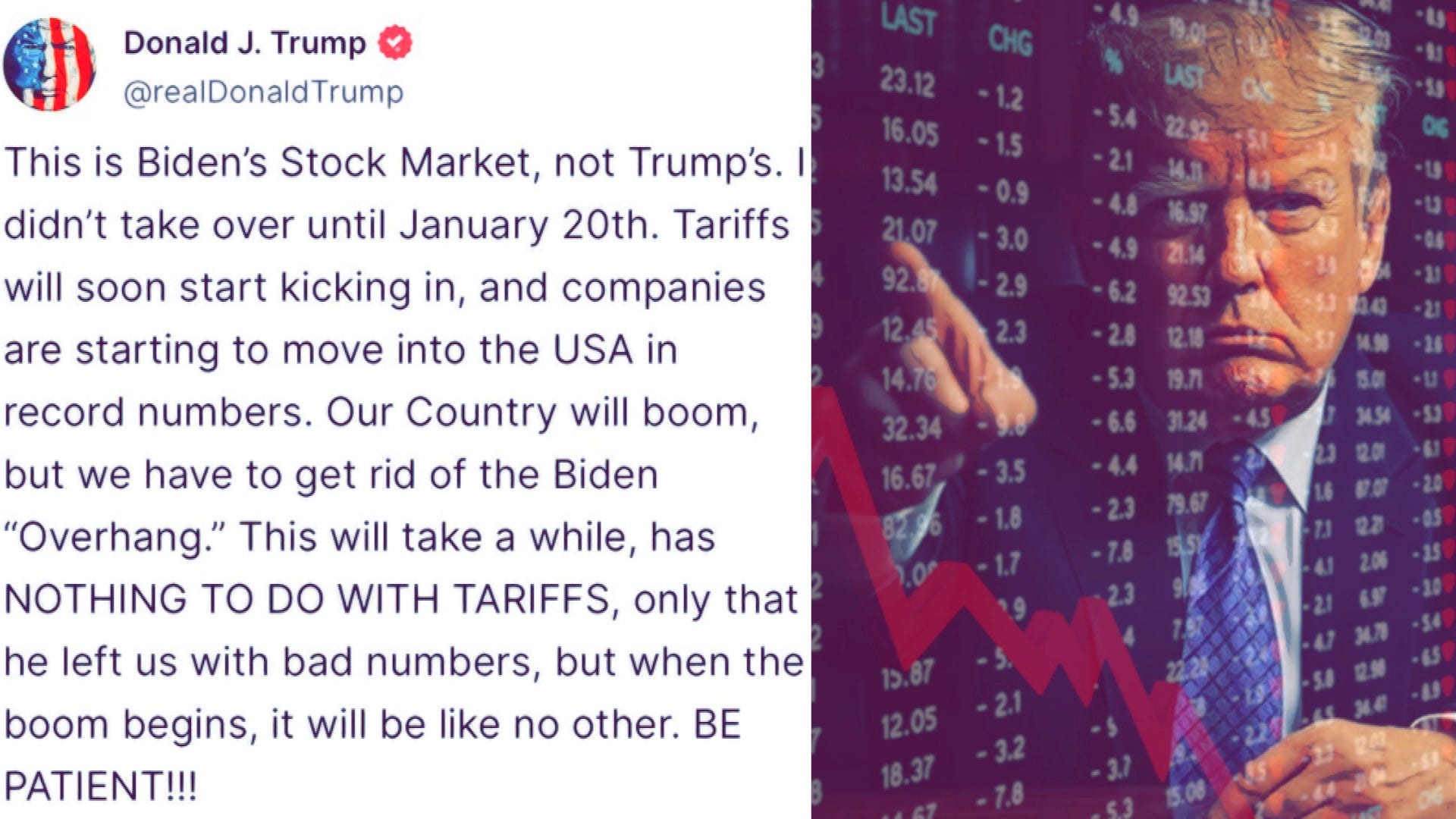
The President has urged Americans to “BE PATIENT!!!” in a Truth Social post.
Why it matters: The data, coupled with slowing consumer and government spending, signals potential recession risks as Trump’s trade policies bite. Small-cap stocks, tracked by the iShares Russell 2000 ETF, slid 1.4% , snapping a six-day win streak.
What they're saying: “Imports surged as companies and consumers sought to get ahead of the Trump tariffs,” noted economists surveyed by Dow Jones, who had expected 0.4% growth. President Trump pushed back against the report saying:
“This is Biden’s Stock Market, not Trump’s. I didn’t take over until January 20th. Tariffs will soon start kicking in, and companies are starting to move into the USA in record numbers. Our Country will boom, but we have to get rid of the Biden ‘Overhang.’ This will take a while, has NOTHING TO DO WITH TARIFFS, only that he left us with bad numbers, but when the boom begins, it will be like no other. BE PATIENT!!!”
By the numbers: First Solar shares tanked 13% after missing earnings, while Snapchat fell 15% on weak guidance amid tariff uncertainty.
What's next: Investors eye Friday’s nonfarm payroll report, with Apollo’s Torsten Slok warning of a potential miss, which could further roil markets.
Jerome Powell’s nightmare just got a lot worse
The Federal Reserve is facing a big challenge as economic growth slows and inflation refuses to fall.
Q1 2025 GDP contracted by 0.3%, falling short of estimates of 0.4% growth. Meanwhile inflation remains stubbornly high, with core Personal Consumption Expenditures (PCE) at 3.5% and the GDP price index at 3.7%. This stagflation-like scenario complicates the Fed’s dual mandate of price stability and maximum employment.
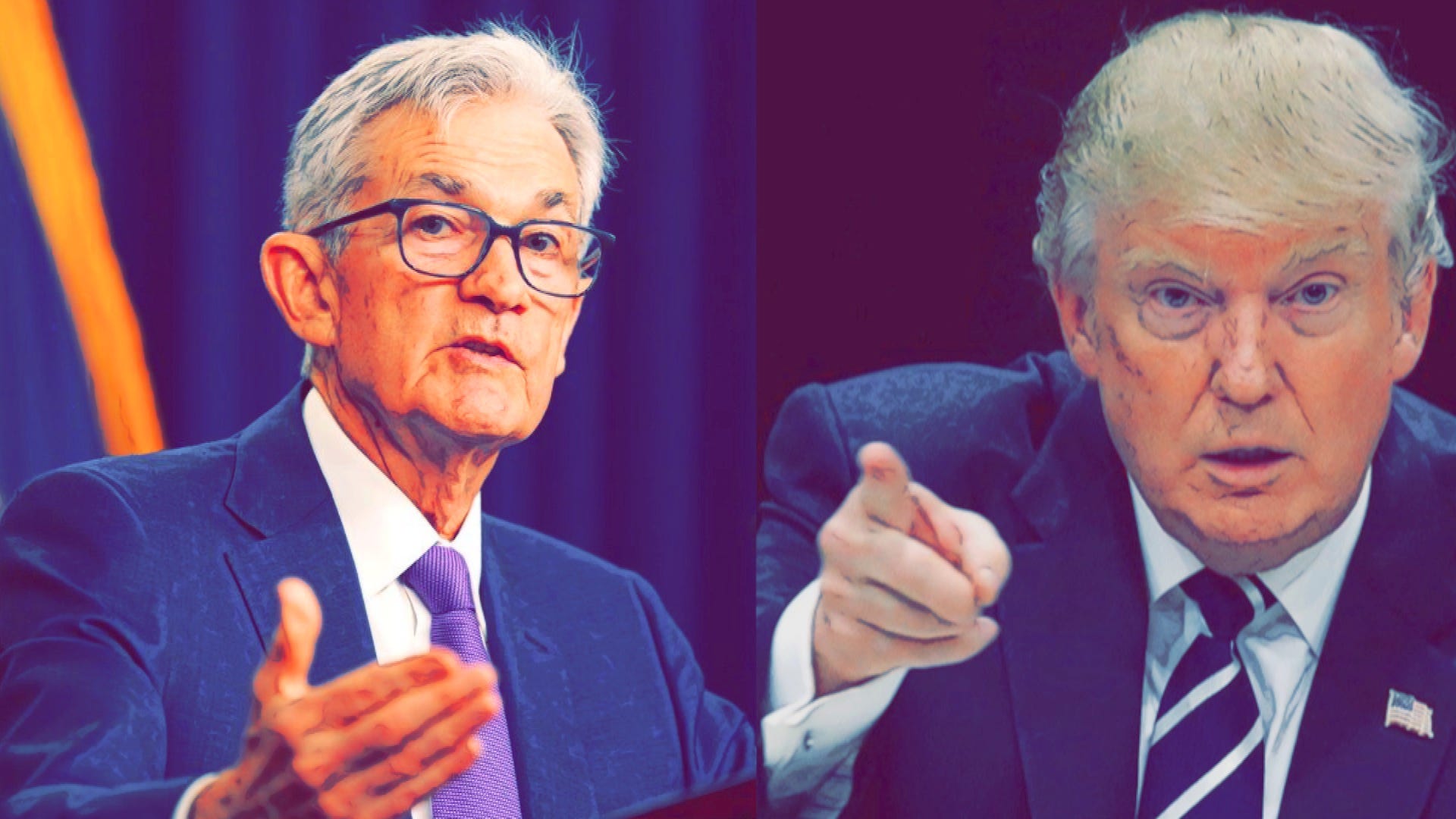
What they’re saying: Fed Chair Jerome Powell signaled caution, stating, “We’re well positioned to wait for more clarity before making any policy moves.” Tariffs under President Trump are driving inflation fears, with economists warning of slower growth and higher prices. RSM’s Joe Brusuelas noted declining port shipments, predicting, “Less goods equals higher prices... less disposable income, less demand.”
What’s next: The Fed’s March meeting minutes revealed a “cautious” approach, with policymakers bracing for tough tradeoffs. Cutting interest rates could fuel inflation, while holding steady or raising rates risks further economic slowdown and an increase on the debt burden for average Americans. Consumer sentiment is souring, with inflation expectations hitting a 12-year high of 6.7%.
The bottom line: The Fed is walking a tightrope, balancing inflation control against recession risks, with tariffs and uncertainty clouding the path ahead. Trump has been vocal that the Fed should cut rates to offset falling consumer spending and lessen the pain on consumers, so far Powell has resisted these calls. With the reports on the state of the economy showing what they are, expect those calls to ramp up.
Nvidia Stock Slides as Super Micro Falters and Trump Eyes AI Trade Shift
Nvidia’s stock fell Tuesday after Super Micro Computer’s significant earnings “miss” and news of potential Trump administration changes to Biden-era AI chip export rules. Investors also reportedly fear cooling AI demand and tighter trade restrictions.

The details: Super Micro slashed sales guidance from $5-6 billion to $4.5-4.6 billion, with earnings per share dropping to 16-17 cents, down from 36-53 cents. The shortfall, tied to customer delays, sparked concerns about AI server demand, impacting Nvidia, a key chip supplier.
What they’re saying: Meanwhile, Reuters reported Trump officials are considering scrapping Biden’s tiered AI chip export system for a stricter global licensing regime. Citi’s Atif Malik warned that such changes could center AI chips in tariff talks, posing risks for Nvidia, already hit by a ban on its H20 chips in China. Bernstein’s Stacy Rasgon highlighted Huawei’s rising competitiveness as a threat if U.S. restrictions tighten.
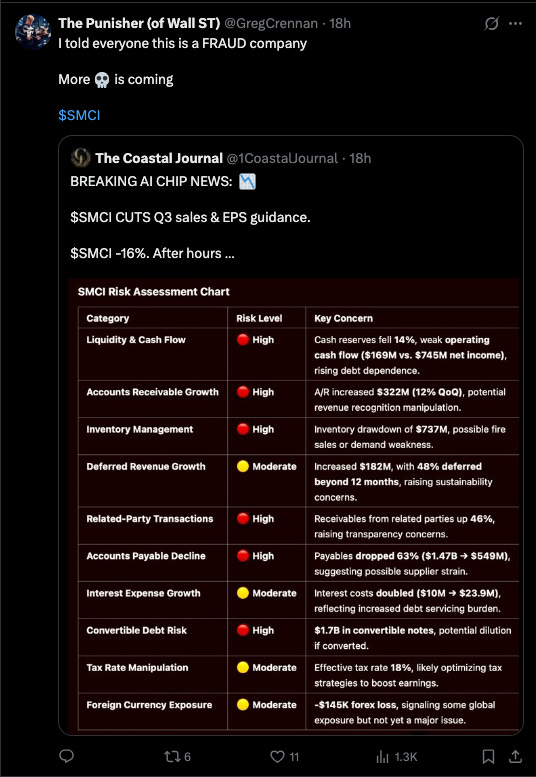
Dive deeper: Nvidia’s stock, down over 19% in 2025, faces pressure from trade uncertainty and market dynamics. SMCI however has more complex issues facing it. In addition to all the market factors facing Nvidia there has been increasing suspicion surrounding SMCI’s core business model. They parted ways with their accounting firm Ernst and Young (EY) back in late October over concerns about “integrity” with EY saying that they were “unwilling to be associated with the financial statements prepared by management.”
The bottom line: SMCI narrowly escaped being delisted from major indexes due to this but are still being dogged by rumors that they are cooking the books. So far there has been no action by the SEC after they contracted the accountancy firm BDO to replace EY but suspicions are still bubbling under the surface. Both in the mainstream press and by market watchers and on X.
China eases Tariffs as Trump claims Beijing will absorb costs
China has ”quietly” rolled back tariffs on select U.S. semiconductors and pharmaceuticals, signaling a pragmatic move amid escalating trade tensions, while President Trump insists Beijing will "eat" the costs of his 145% tariffs on Chinese imports.

Why it matters: The U.S.-China trade war, intensified by Trump’s tariffs, has slashed cargo shipments by 60%, risking supply shortages and layoffs in U.S. sectors like logistics and retail. China’s exemptions aim to protect its tech and health sectors, despite a defiant public stance.
What’s happening: Trump defended the tariffs, saying China "deserves it" and will shield U.S. consumers by absorbing costs. Meanwhile, China’s tariff relief on U.S. goods like integrated circuits and medicines reflects dependency on American supplies. Behind closed doors, the U.S. is exploring phased tariff reductions and trade talks, though Beijing denies formal negotiations.
The big picture: With Texas and California facing China’s counter-tariffs, and automakers gaining tariff exemptions, both nations are navigating economic fallout. Experts warn of prolonged disruptions unless de-escalation accelerates.
What to watch: Potential U.S.-China trade talks and further tariff adjustments could reshape global supply chains.
