


Opinion:
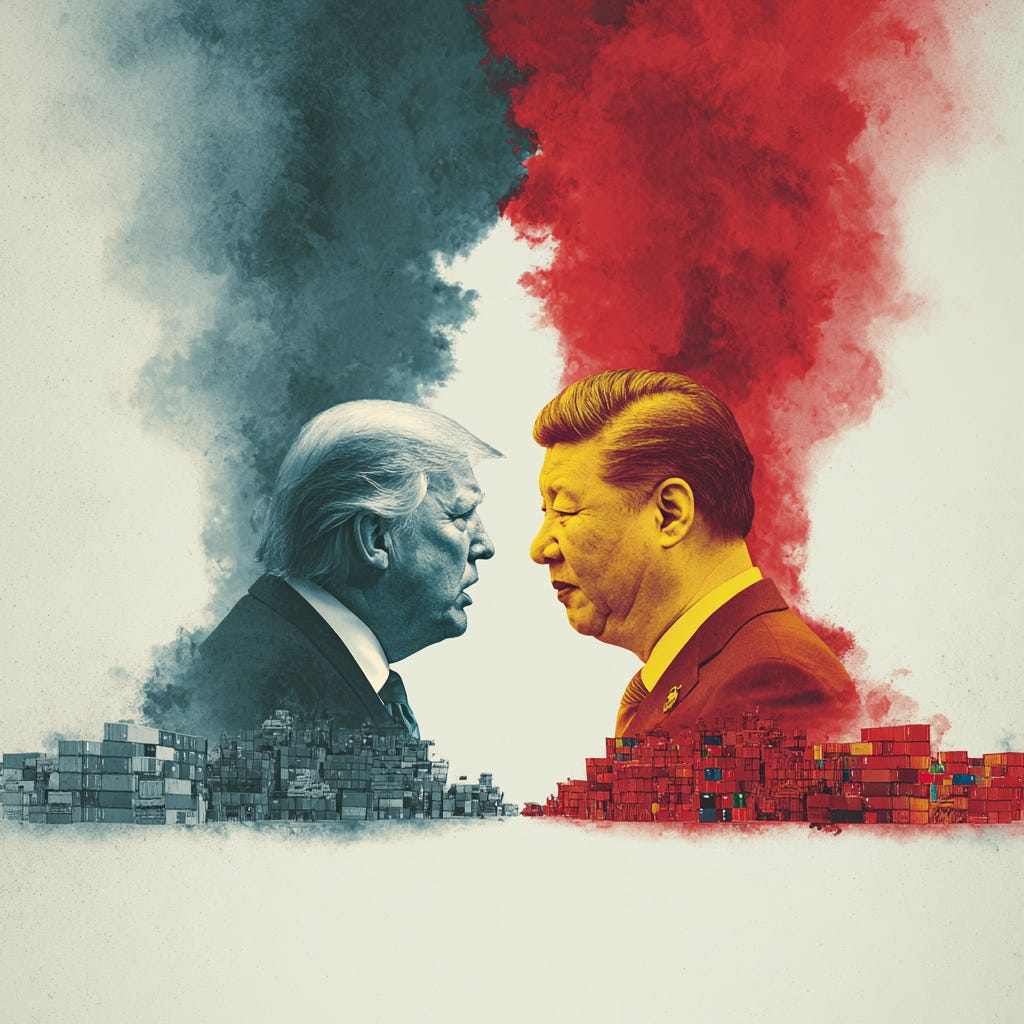
For decades, American policymakers have watched China transform from a developing economy into what Treasury Secretary Scott Bessent aptly calls "the most imbalanced economy in the history of the modern world." While we hoped that economic integration would lead to mutual prosperity and fair competition, the reality has been starkly different. China now controls an unprecedented 30% of global manufacturing production while maintaining massive trade surpluses that drain American jobs and prosperity. The time for wishful thinking is over—America must demand a fair deal.
The Scope of the Challenge
The numbers tell a sobering story. America's goods trade deficit with China reached $295.4 billion in 2024, representing the largest bilateral trade imbalance in modern economic history. This isn't simply about accounting ledgers—it represents millions of American manufacturing jobs that could exist here but instead support Chinese workers. While China has grown prosperous selling to American consumers, it has systematically blocked American companies from accessing Chinese markets on equal terms.
This economic relationship has become fundamentally extractive. China sells us three times more than we sell them, creating an unsustainable flow of wealth from American families to Chinese state-supported enterprises. Meanwhile, China's currency practices remain opaque, its subsidies distort global markets, and its overcapacity in key industries threatens American competitiveness across entire sectors.
The human cost extends beyond the statistics. Communities across the American heartland have watched factories close and good-paying jobs disappear as production shifted to China. Young Americans face diminished prospects in manufacturing careers that once provided pathways to middle-class prosperity. We cannot continue accepting this as the inevitable price of globalization.

