


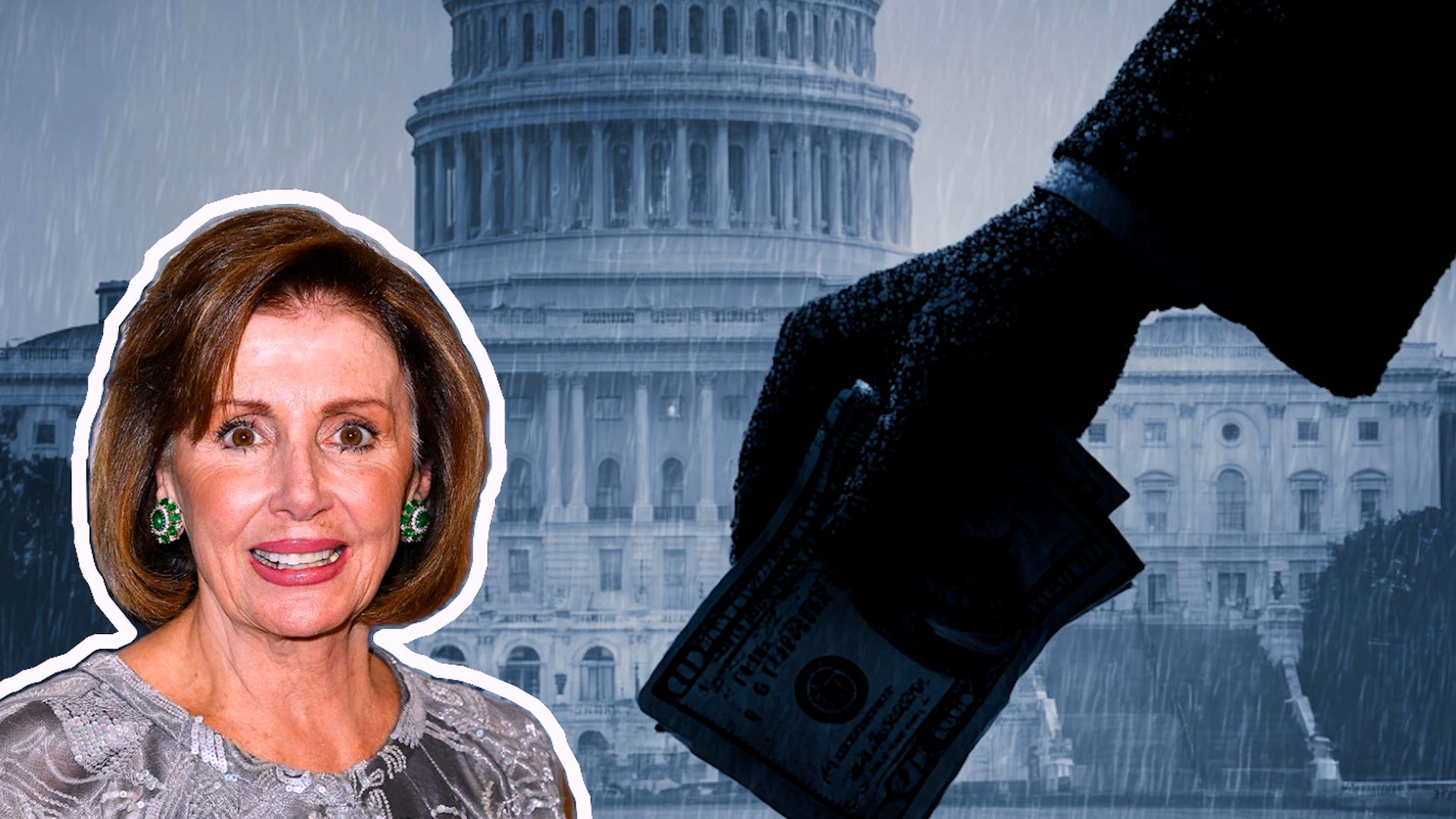
On January 14th 2025 Nancy Pelosi purchased call options in Tempus, a healthcare technology company. A month later, the stock surged, turning her $75,000 investment into $235,000—a 213% return. A big win to be sure, one that any trader would be proud of, but this wasn’t an isolated stroke of luck. Pelosi, often dubbed the “Queen of Trading,” has built a reputation for stock market success that outpaces even the world’s top hedge funds. Her portfolio’s performance raises a troubling question: How does a public servant making $223,500 a year salary consistently achieve such extraordinary returns, and what does this reveal about the integrity of American governance?
Pelosi’s trading prowess is no secret. In 2024, her stock portfolio reportedly grew by 70%, dwarfing the S&P 500’s 24% gain and outperforming elite funds like Renaissance Technologies or Bridgewater Associates. Estimates of her net worth range from $120 million to $413 Million.
According to posts on X, her investments in companies like NVIDIA and Microsoft have yielded outsized returns, often timed with uncanny precision around legislative developments. It is worth noting however that is not that so much that she wins all the time (she certainly does have big wins.) It’s that she doesn’t often lose.
RELATED VIDEO: Asking Wall Street traders if they beat Nancy Pelosi’s portfolio
For instance, her husband Paul Pelosi dumped 2000 shares of Visa stock reportedly worth more than $500k on July 14th 2024 months before Visa was sued by the DOJ over its behavior in the debt market. That announcement to the general public came on September the 24th 2024. On another occasion Paul Pelosi dumped 30,000 shares of Google that he held, a month before the DOJ sued Google. These patterns have fueled speculation that her role as a former House Speaker granted her access to proprietary information unavailable to the public.
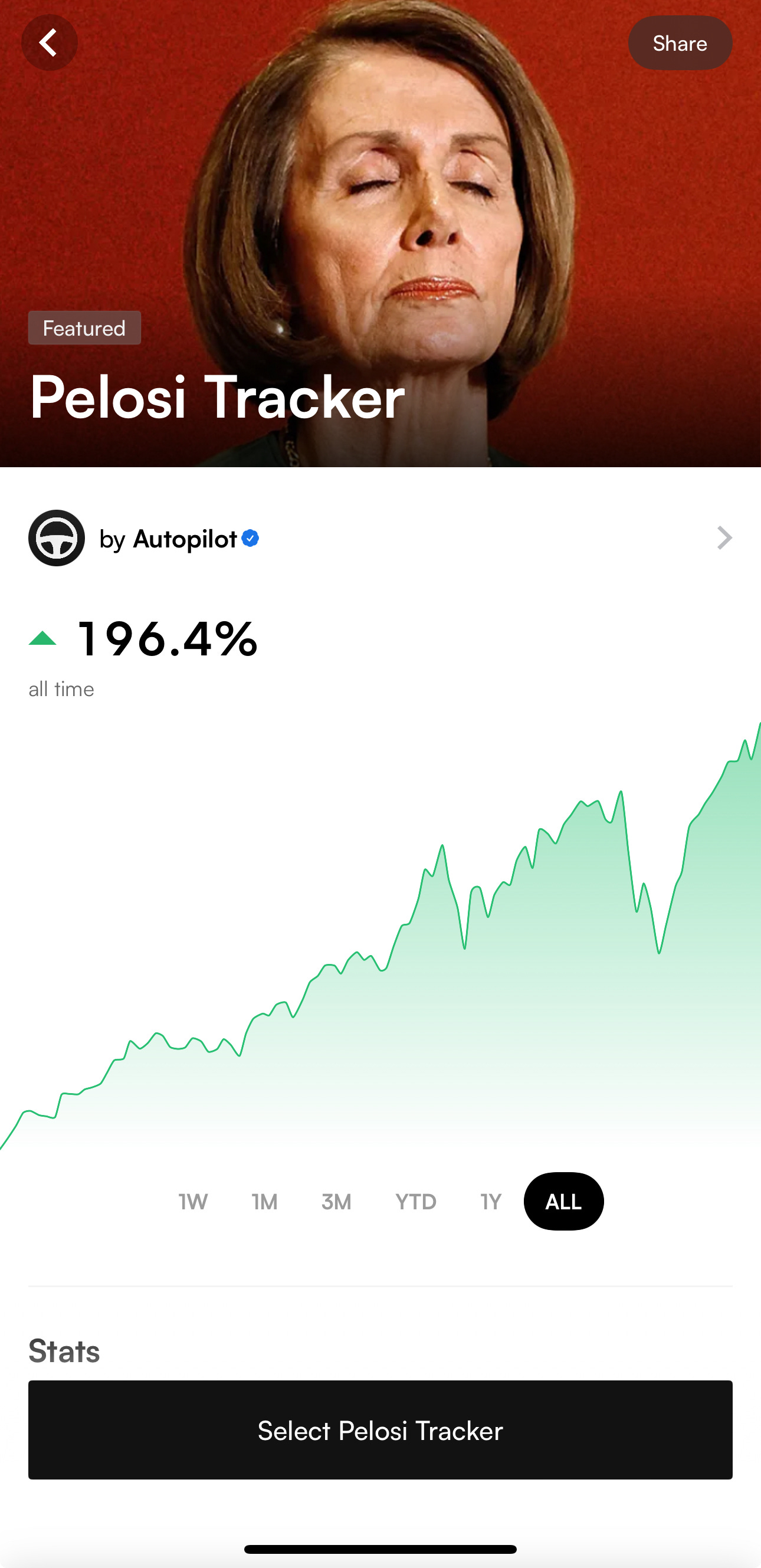
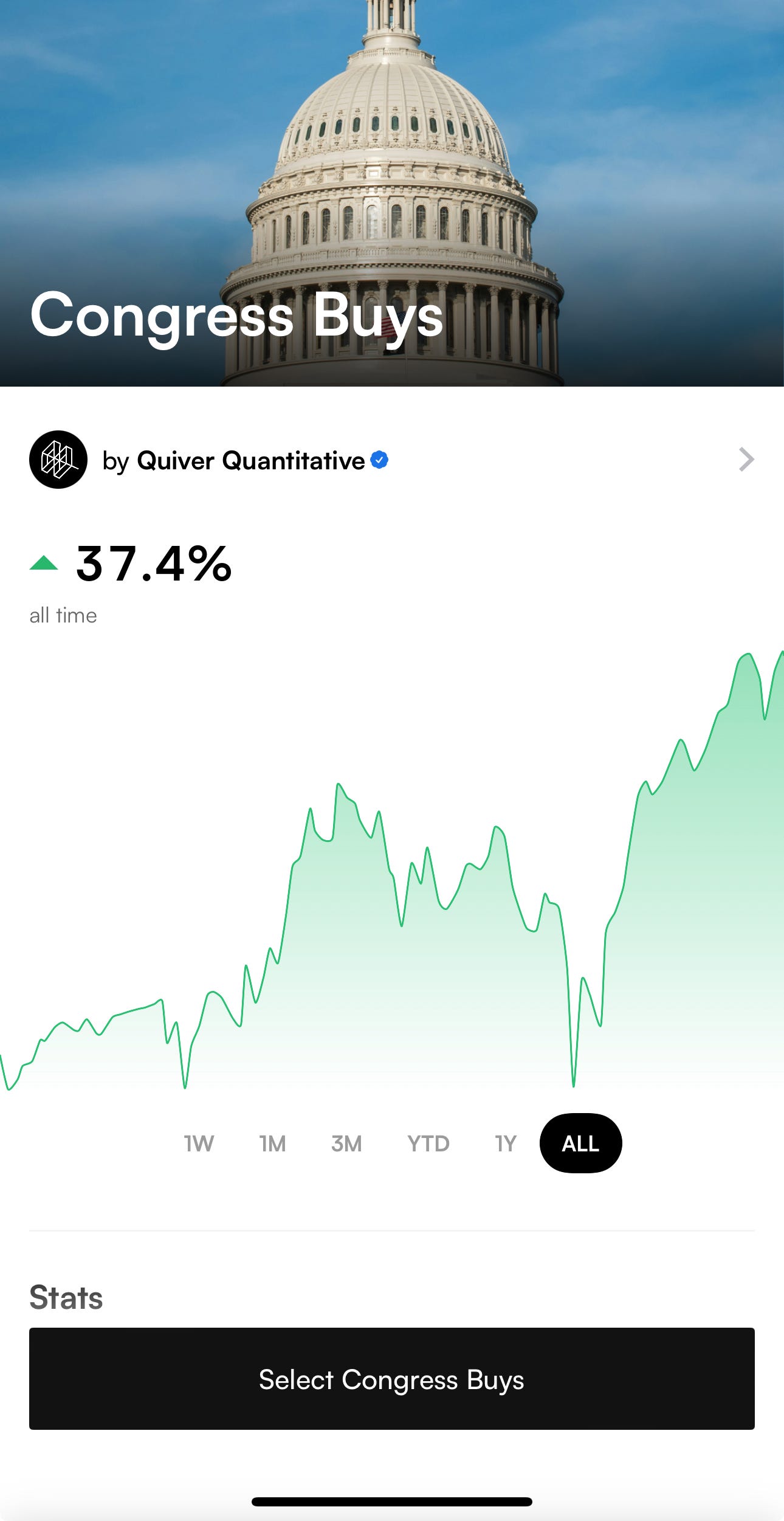
The public’s fascination with Pelosi’s trades has birthed an industry. Apps like Autopilot and services like the Pelosi Stock Tracker, created by Chris Josephs, allow retail investors to mimic her moves. These platforms thrive because her trades are not just profitable—they’re legendary.
A 2023 study by the University of Chicago found that congressional stock trading outperforms the market by an average of 17.2% annually, with Pelosi’s returns consistently among the highest. This isn’t mere luck; it’s a system where lawmakers, privy to non-public briefings, can act on information before it reaches the market.
Pelosi’s defense is as audacious as it is unconvincing. She insists the trades belong to her husband, Paul Pelosi, a venture capitalist. “I don’t own any stocks,” she declared in a 2019 press conference, dismissing accusations of impropriety. Yet, the sheer consistency of her family’s market-beating returns—coupled with their alignment with legislative events—strains credulity. Remember that Google trade from earlier? Paul exercised call options on Google just as Congress debated antitrust regulations affecting tech giants, the trade netted millions.
The public sees through the facade: a 2025 post on X by @WallStreetApes called her denial “blatant,” reflecting widespread sentiment that far from being the greatest trader of all time, her position in Congress and access to insider information fuels her financial success.
Pelosi is not alone in this game. A 2024 analysis by Unusual Whales, a financial transparency platform, revealed that 1 in 7 members of Congress traded stocks in sectors they regulate, with average returns far exceeding market benchmarks. Senators like Richard Burr and Kelly Loeffler faced scrutiny for suspiciously timed trades during the 2020 COVID-19 crisis, yet Pelosi’s scale and visibility make her the poster child for this controversy. Her trades are not just profitable; they’re ostentatiously so, amplifying public outrage over a system that seems rigged.
The crusade to curb this behavior has gained traction, led by voices like @unusualwhales on X. Their advocacy helped push a 2025 bipartisan deal to ban congressional stock trading, with Senator Josh Hawley introducing the PELOSI Act to prohibit lawmakers from trading individual stocks. The bill mandates blind trusts or divestment, aiming to sever the link between legislative power and personal profit. “Public service should not make you a millionaire,” Hawley stated, echoing sentiments from Treasury Secretary Bessent and others who’ve called for investigations into Pelosi’s trades. Yet, resistance persists—some lawmakers argue that banning trading infringes on personal freedom, a stance critics view as self-serving.
This controversy exposes a deeper erosion of trust in American institutions. When lawmakers like Pelosi leverage their positions for personal gain, they undermine the principle that public service is a duty, not a pathway to wealth. A 2023 Pew Research study found that only 20% of Americans trust the federal government to act in the public’s interest, a historic low. Stories of insider trading by Congress fuel this cynicism, suggesting a government that serves itself first. The fact that retail investors now chase Pelosi’s trades as a legitimate strategy only underscores the absurdity: the public is reduced to betting on the very inequities they resent.
What’s at stake is more than just Pelosi’s portfolio. The ability of lawmakers to trade on insider knowledge creates a moral hazard, skewing policy decisions toward personal profit rather than public good. If a legislator knows their investments hinge on a bill’s outcome, can they remain impartial? If congressional trading correlates with legislation favoring specific industries this isn’t just unfair, it turns Congress into a private members club where they can vote themselves investment wins and that is a betrayal of the democratic ideals.
Looking forward, the push for reform offers hope but no easy fix. Even if the PELOSI Act passes, enforcement will be key. Blind trusts can be gamed, and loopholes may persist. The broader challenge is cultural: restoring a public ethos where service, not self-interest, defines leadership. For now, Pelosi’s trades remain a symbol of a broken system—one where the powerful play by different rules.
As Tres. Sec Bessent said recently "If any private citizen traded this way, the SEC would be knocking on their door."
Will reform close this gap, or will the “Queen of Trading” simply pass her crown to the next insider? No one knows, but one thing is certain, until there is reform it will continue to happen and following Nancy Pelosi’s trades is objectively a better bet for investors than any other analyst.

It took Nancy Pelosi 3 1/2 years to finally admit that she did tell the Capital Police to stand down just before the J6 "insurrection". I wonder how long it will take for her to explain why - she told the Capital Police guarding her S.F. home - while she was in D.C. - to stand down just before her husband was attacked by a man allegedly looking for her?
I read last night that the Pickett Fire is causing health issues and may burn the Napa Valley. Years ago a lot of water in California was redirected into the Napa Valley people who lived in areas that had their water redirected suffered. I have read about people having to save the dishwater and use it to flush their toilets - water was scarce. Nancy Pelosi has her vineyards in the Napa Valley. Seems to me she could be in a lose lose situation there. If her vineyards are lost to the fire she will lose a lot of money. If her vineyards are one of the few or the only one that does not burn - she will have a lot of explaining to do.