


Federal Reserve Chair Jerome Powell warned Wednesday that President Donald Trump’s proposed tariffs could create a “challenging scenario” for the Fed, potentially driving inflation higher while slowing economic growth.
Speaking at the Economic Club of Chicago, Powell said tariffs are “highly likely” to spark at least a temporary rise in inflation, with the possibility of more persistent effects. He noted the Fed might face tension between its dual mandates of price stability and maximum employment if tariffs disrupt the economy. “We may find ourselves in the challenging scenario in which our dual-mandate goals are in tension,” Powell said.
Powell emphasized a cautious approach, stating the Fed would assess how far the economy deviates from its goals and the time needed to address those gaps. “If that were to occur, we would consider how far the economy is from each goal, and the potentially different time horizons over which those respective gaps would be anticipated to close,” he added.
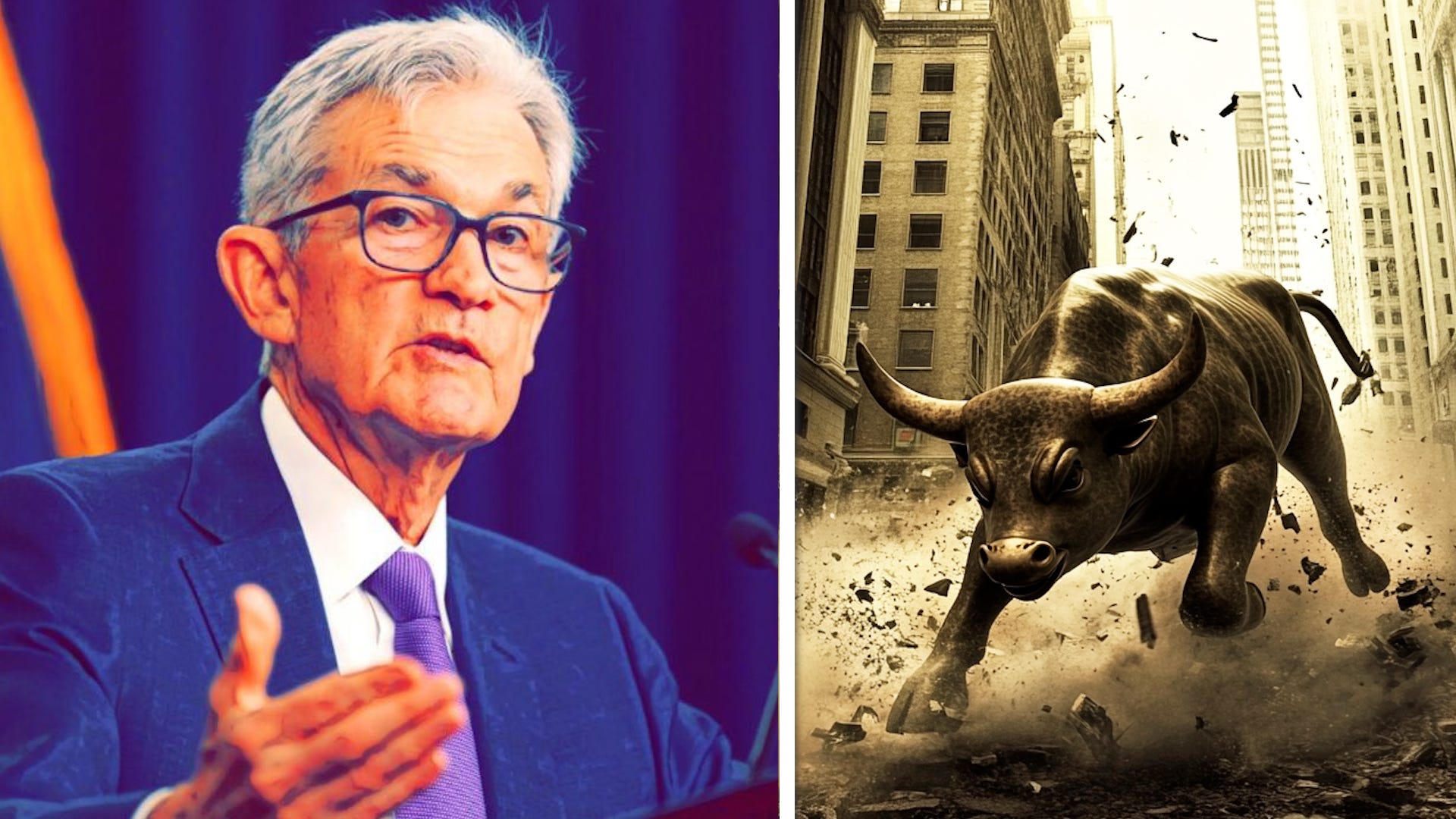
The Fed’s benchmark interest rate, currently between 4.25% and 4.5%, has remained steady since December after rate cuts late last year. Powell indicated the Fed is adopting a “wait-and-see” stance, seeking clarity on Trump’s tariff policies before adjusting rates. Recent data shows solid job growth, with 228,000 jobs added in March, but consumer sentiment is weakening, and inflation remains above the Fed’s 2% target.
Trump’s tariff plans, including a 10% baseline on most imports and higher levies on select trading partners, have raised concerns about stagflation—a mix of rising prices and sluggish growth. Powell’s remarks underscore the Fed’s challenge in balancing these risks while maintaining anchored inflation expectations.
Financial markets have been volatile since Trump’s tariff announcements, with global equities sliding and Treasury yields rising. The Fed’s next steps hinge on whether tariff-driven price increases prove temporary or spark broader inflationary pressures, Powell said.
Markets dived as Powell spoke. The S&P 500 was down from its high of 5367.24 to 5334.19 as Powell took the stage at 1:30pm but over 20 minutes dropped to 5257.92.
The major indexes all finished lower on the day. The S&P down 120.93 (2.24%) The NASDAQ down 516.01 (3.07%) and the DJIA down 699.57 (1.73%)
For Financial News written by Capitalist who love America, Subscribe to “The Capitalist”

