



The Capitalist exists because of you!
Support bold, fearless independent journalism by becoming a paid subscriber:
For twelve days, the neighborhood surrounding the intersection of Williams Street and Baldwin Street in Madison was ravaged by an “autonomous zone” set up by activists. Over the span of nearly two weeks, the intersection was barricaded by illegally parked cars and homemade “fences” covered in nails and shattered glass, serving as a warning to passersby.

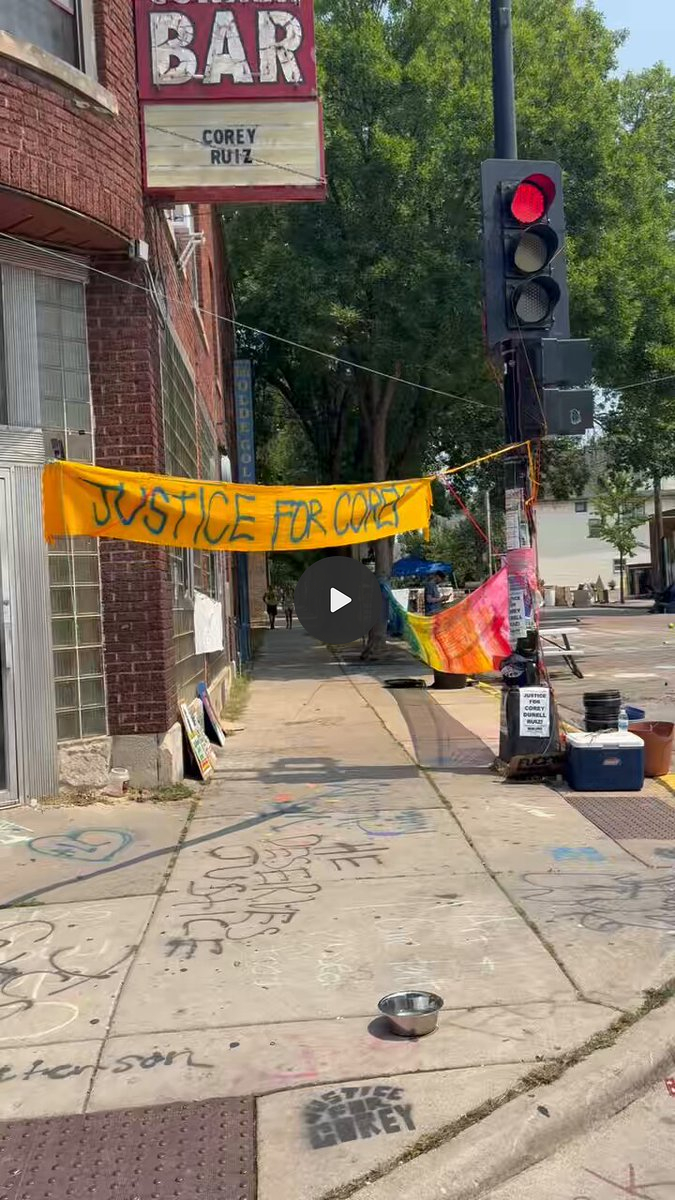
Residents begged Madison authorities to handle the situation, but the city largely ignored the requests. Instead, piles of garbage and dangerous debris piled up in the street, as locals warned one another to wear closed-toed shoes in the area to avoid being wounded. Those close by noted that the “Willy Street” encampment had initially started off as a memorial site, but within the span of two days, became overrun with homeless individuals.
Buffett’s ‘Phone Rule’ Could Make This Company Soar

Warren Buffett famously said that “If you don’t find a way to make money while you sleep, you will work until you die.”
But what if your phone could do it for you? 📲
That’s exactly what Mode Mobile has created - technology that turns idle phone time into passive income. With 490M+ users in their ecosystem and $1B in earnings and savings, their EarnPhone is being called the Uber of smartphones.
With 32,481% revenue growth, they were named the fastest-growing software company in 2023 by Deloitte, and with 7 billion smartphones worldwide their market could be significantly larger than Uber’s.
They’ve just secured their Nasdaq stock ticker $MODE, and you have until August 14 to invest in their pre-IPO offering at $0.52/share.
⚠️ Invest before the share price changes on August 14.
DISCLOSURES:
Please read the offering circular and related risks at invest.modemobile.com.
Mode Mobile received their ticker reservation with Nasdaq ($MODE), indicating an intent to IPO in the next 24 months. An intent to IPO is no guarantee that an actual IPO will occur.
Mode revenue and EBITDA numbers include full year revenue and EBITDA of businesses acquired by Mode Mobile in 2025.
The encampment was set up in response to the death of Corey Ruiz, a 38 year-old homeless man. During an altercation with police, Ruiz resisted arrest and injured an officer with a knife. Police attempted to tase Ruiz, but eventually shot and killed him as the situation escalated. Ruiz had previously been convicted eight times of resisting arrest. Additionally, he had a 20-year long criminal record in which he had been convicted of battery, possession of cocaine, strangulation, and robbery.
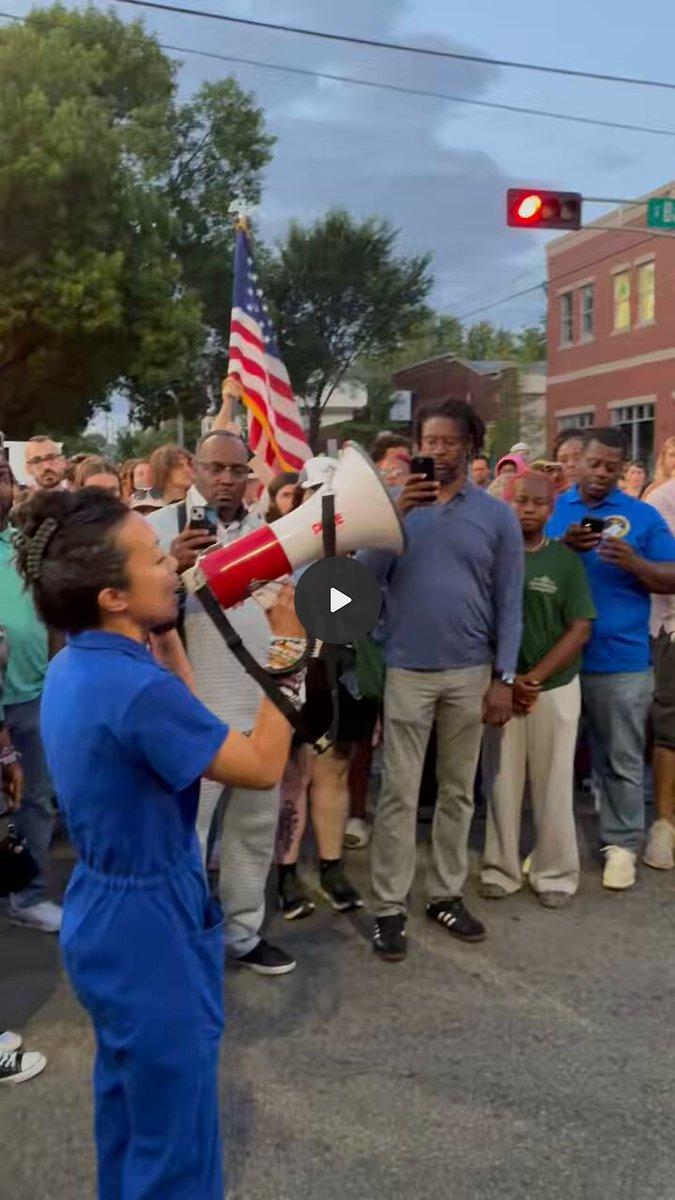
In response to his death, protestors immediately took to the streets, taking over press conferences and harassing people in their cars. Leading Democrat gubernatorial candidate Francesca Hong, responded by joining in with the activists. Hong, a member of the DSA, grabbed a megaphone and declared “This state sanctioned violence was an execution. We no longer can have a system that protects… lives of unarmed officers over black people.”

Willy Street quickly turned into a memorial, much like those seen at George Floyd Square in Minneapolis during 2020. Protestors from Minneapolis went so far as to bring a statue from Floyd’s memorial to Madison as a “sign of solidarity.” The statue depicts a large metal fist and has a BLM flag protruding from its center. Much like other BLM memorials, activists brought flowers, began creating chalk murals, and left dozens of candles at the intersection.

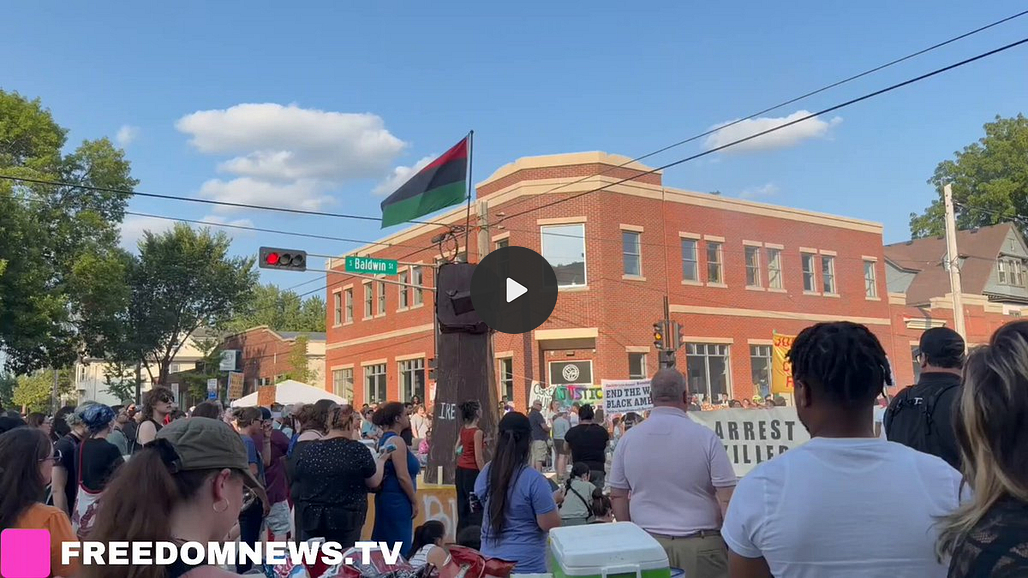
The autonomous zone quickly turned from a protest into an encampment, as people began showing up with mattresses, tents, and trailers. Portapotties were brought in and organizers began asking for donated supplies fit for a grill out. In a post labeled “Urgent need”, one woman asked people to bring burgers, brats, buns, corn, butter, and salt, as well as energy drinks. The same woman also admitted that the encampment had become “a home for so many of our unhoused neighbors.” In response, a “mental health support tent” was constructed. Regardless of the tent’s efficacy, many locals claimed to see homeless people urinating in the streets, taking drugs, and smoking weed. One sign advertised a “free syringe exchange.”
The encampment was able to take over the Willy Street neighborhood for nearly two weeks largely in part by the negligence of the city government. Madison Mayor Satya Rhodes-Conway took twelve days to issue tow orders on the cars being used to block the street. Although she encouraged the encampment to disperse, she never gave deadlines and didn’t use local law enforcement to protect vulnerable businesses or residents. Journalists who approached the campsite were frequently assaulted. Left-leaning outlets like WPR who had been supportive of the protests were ordered to leave or else “we will have to find a way to get you going.” Others threatened to kill journalist Nick Sortor if he refused to leave while simultaneously blocking his car.

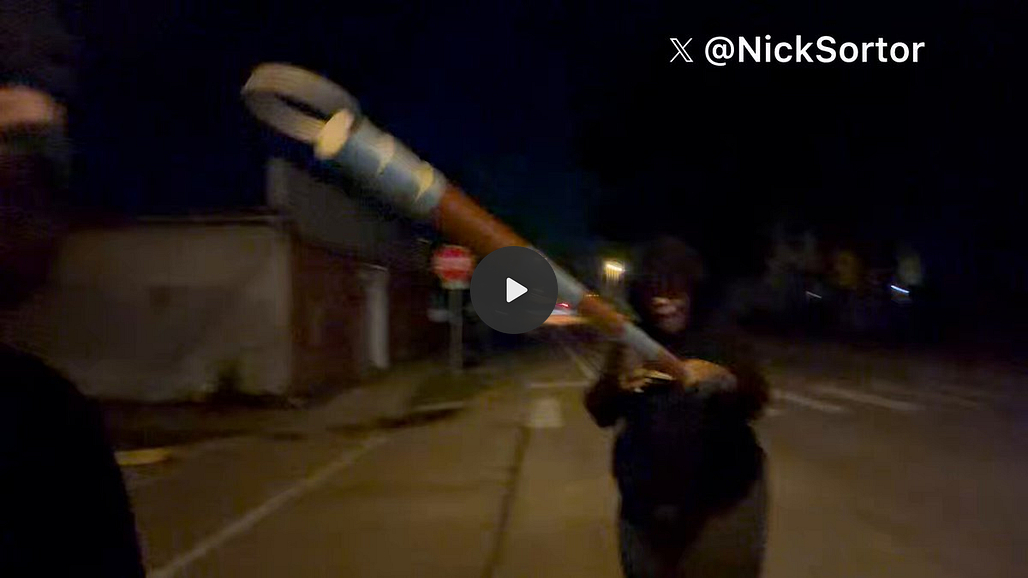
After 12 days, authorities finally began clearing out the scene. At least 17 people were arrested, with three being injured during the process. Although Rhodes-Conway begged those occupying the intersection to leave, her 12 days of negligence helped create the catastrophe. Francesca Hong said she was “deeply disappointed that the situation ended in police intervention.”

It is probably a good thing that I am not the police chief there!